
TEMPORARY PROTECTED STATUS FOR NEPALI NATIONALS IN THE UNITED STATES- PROSPECTS AND CHALLENGES
अमेरिकामा नेपाली नाग���िक हरुको लागि टेम्पोररि प्रोटेक्ट������ स्टाटस (टि पी एस) सु�����������िधा- स�����्���ा�����ना र चुनौत���������
हाल्���ालै नेप���लमा ������क��� ब���नास्कारी भुक���्�����क��������� कार��������� ���ज�������र��� न���प�����������ल�������ह�����������������������������ुको ज्यान ���ए���ो र ल���खौं ब��������क्�����ि�����र����� घ�������������बार ���ि���िन भईरह���को अ�������स���थ���म��� नेपाललाई ���ेम्प������र��������� प्रोटेक�����ट���������ड स्टाटस योग्य द������ घोषणा गर्न र अप���रिल २५, २���१५ भित्र अमे�����िकामा उपस्थित नेपा�����ी ���ागरिकहरुल�����ई १८ महिना सम्म नेपाल नफर्काउने र अमेरिकामै ���क���त अ������ी सम्म बस���न र काम गर्न पाउने इमिग्रेसन कानु������ सुब���ध����� दिन�����ो ल������ि अमेरिकि सम���सदक��� तल्���ो ���द��� हाउस अ��� रेप्रिजेन्टे���िभमा यच �����������र २०३३ नम्���������रको नेपाल ट�����म्पोररी प���र�����टेक्�����ेड ���्टा�����स एक्ट २०�����५ नामको बि��� दर्ता गरि���को छ । उक्त बि����� �����ेक���सस���ा ���ांग�����रेसम्���ा��� एल ग्री��� त�����ा क्���लीफोर्नियाका ���ा�����ग���रेसम्�������ा��� म���इकल होन्���ाले अ�����ेरिकि ���म्सदम����� पेश गर्नु भएको हो । हाल सम्����� ���क्त बिलल���ई पास गर���नको �����ागि डेम���क्रा������क पार्���ीका ४८ ���ना र रे���ब्लिकन पार्टीका १ जना गरी जम्मा ४९ जना कां�����्���ेस�������्या������रुल��� समर्थन जन�����उनु ���ए�������ो ��� । ४�����������५ जना सद���्य रहेको ���ाउस अफ रेप्रि���ेन्टे��������भको बह���मत स���स्य������ य��� ���िल प���स �����र�����मा य��� अ����������रिक��� क���ंग्�����ेस������ माथिल्लो सद����� सिनेट���ा जान्छ र १०० सदस���य रेहेको ���िनेटको पनि बहु�����तले पास गरी त���समा राष्�������्रपतीले हस्त���क्षेर गरेपछ����� म�����त्��� यो कानु��� ���न�������छ र एस���त��� ब�����शेष कानुन मार्���त न���पा���ी �����ागरिक हरुल��� ���िपिस सुबिधा पाउन सक���छन । �����������ैल��� ��������ै ने�����ाली ������थीह����������ले आ�����्न����� आ���्���ो राज���यको कांग�������रे���म्या��������रुला��� य��� �����िल���������� समर���थन र सहयोग ग�������ाउनको लागि ल�����ी गर्दा राम्रो हुने����� ।
सन १९९������� मा जार����� ��������िएको इमि�����्रेसन ऐन १�������९० अन���त���्ग����� कु���ै ���न����� देशमा ठु�����������ो प्र���कृत���क बिपत्ती जस���तो भुक���्���,ज्वा���ा���ुखी वा गृहयुद���ध आदीक��� कारण �����������क������ देशमा ���ान अ���ु���������षित ���ुने देखेमा एटो���्���������ी ���नर�����ले त���स्ता देशलाई ट���पिस ������ग्य ��������श घ�����ष���ा ग���्न सक्न��� ��� ���म���र���������कामा उ���स्थित ���्यह�����ँ�����ो नाग�����ि�����ह�����ुलाई ६ मह�������ना ���ेखी �����८ �����म्म ट���पिस ���ुबिधा ���िन ���क्ने अ���������ि���ा����������������� द���एको थियो । ���न ��������������������०३ म����� जारी हो������������्य���न���������� से���ु�����िटी ���क्ट ���������न्तर्गत हाल उक�����त अधि����������र सेक���रेटेर��� अफ ह������ल��������ान्��� ���ि���्युरिटीलाई प���रदान �����र���एको छ । उ����������� ���ानुन �����न���तर्�����त ने���ा�����ी ना�����र���������� हरु���ो लागि ट���प�����स स���बिधा पाउन न���������प���ल सरका������े स���क���र��������े���ी अफ ह������ल���यान���ड ����������������य������������������िट���ला��� ���ध���������र�����क र���पमा अनुरोध ���र���नुपर्�������� हु���्छ, ��������������� हाल ����������्��� ग���ेको दे���िदै��������� ।
नेपाल���ाई टि���������िस यो����������������������� देश ���ोष���ा गर���मा अ�����������������������ामा उपस������������ित देह��������को ब���������������यक्ती ���िपि��� ������������ब�����धा�������� �������ागि य���ग्������� हु�����स���्�����������न-
१, अप्���ि��� २�����, �������०१५ देखी ��������े�����िक���������मा बसोब�����स गर्दै आएक�����
२, ���मिग�����रे���न सु�����िधा पाउन अयो��������य नठरि���का ब������क्तिह�������� । तर कुनै पनि �����प������ध ���रेका ���������� २ ���टक सम्������� मिस������मिनर (६ म���������ा भ��������द��� ������������� जेल ���स्नु �������पर������������� ���ालक���) अप������������ध ग�����े�������������ा, ���तं���������बाद�������������ा संलग्न ठहरिएका ���ा अ������ ब्यक�����ती�����ाई ���िडा पुर्य����������का ������������यक्ति���रु�����े एस्������ स���ब��������� ���ाउन ���क���दै�������������� । ����������ैध��������िक ������������������������� �����मेरि�������ा प्रबेश ����������ेर ���ा ��������सामै अ�����े������का ���इ ������सा अ�������धी भन्द��� बढी ���स�����का �������������� डिप���रटेसन प��������कृ�����ामा भए���ा ब�����यक्������हरुको हक���������� भन������� उनिहर�����ले अब�������������������������क र���������ा ब���ेक��� क���������रा ���िन������������������ा (वै��������������) को �������������रोध ���ह�����त �����िपिसक������� स�����बि���ाक��� ल��������ि निबे���न �����������न सक्�����े र ���्यस्त����� नि�������������������� स्���������ा��� भएमा उ���्त सुबिधा पाउन सक्ने देखिन्छ ।
तेस्त��� ���िपि���क��������� न���ब��������न गर���क��� ������������यक्ति���र���ले अन्य ���������मिग���������र����������न स�������्बन्ध��� निब���दन ������्त��� असा���ल��� वा फ���मिली पिटिसन ������������ अन्य पिटिसन मार्फत ���������������िन कार्ड �����ि��� प������ �����������िबेद��� ग�����्न स���्न����� ��� �����������इल��� �����ो निब���द����� अस���वि������र भएका ब्�����क������िहरुले पनि टिपिस सुबिधा पाउ��� स�����्�������े���न ���
टि��������������������स सु������������ध����� पाएम��� ���ेपाली नागरि��� हर���ले १८ महिन������� सम्म ���ाम ������्����������� पा���ने ���नुम���������� म�������त्र है��������� अमेर���������का ब���हि������� यात्र��� गरेर यहाँ फ������कने अनुम���ी ���नि प���उन सक���नेछन ��� तर ��������ेर���काम��� ���रण लिएर बस������ा वा �����ि�����������का �����्य���्तिहरु ������प�������ल �����ादा आफुल��� पाए������ वा पाउन लागेको शरणार्थीक��� हैस����������त ग������्न सक���न��� भएपनी अत्यन्तै ���िशेष ������िस्थि��������������म��� �������ोट����� समएको लागि ���फ्���ा परिवा������ो ����������्धार ग����������न वा आफ्न��� ज�������िल मे�����िकल कारण �������एमा ���ो ������रण देखाइ ट���राभल डकुमेन���ट������������ ला�����ि निबेदन गर्�����ा त्यस������ो ������बे���न USCIS ले स्विकार ���र���म��� जा��� सक्ने अव�������������������्था हुन���क������ । ���������� लेखक����� बि���ए������ तप�������ईंस���ग ���ुनै �������्र���्न ������मा मलाई yagyalaw@gmail.com मा ई������������ल ������्न वा ९���६ ५�����५ ८६���८ ���ा क��� गर्����������� स���्नुहुने��� ।
यज्ञ ���������ाल
अटोर्नीए ए����� ल
After Earthquake in Nepal, Bill Introduced to Grant Temporary Protected Status to Nepalese Nationals
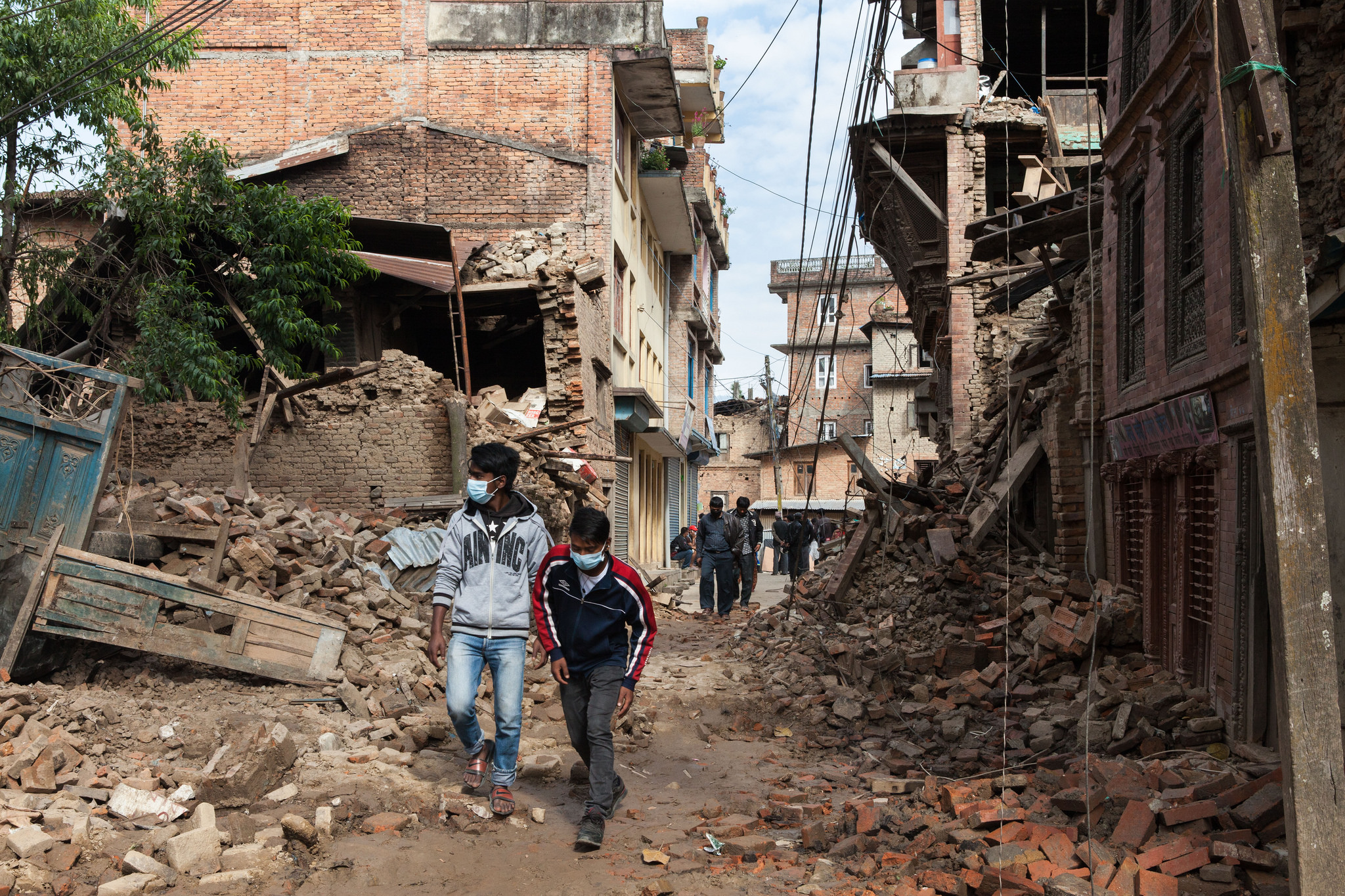 One form of humanitarian assistance the United States can offer to Nepal, a country now recovering from the 7.8 magnitude earthquake that flattened buildings and killed more than 7,000 people, is temporary protected status (TPS) for Nepalese nationals who currently are in the United States. Last week, several members of Congress introduced a bill, H.R. 2033, that would designate Nepal as a country whose nationals are eligible for TPS.
Although there is��precedent for Congress authorizing TPS for nationals of a particular country, the current immigration statute already authorizes TPS for nationals of any country designated by the Secretary of Homeland Security. Such a designation is appropriate where there is ongoing armed conflict, an environmental disaster or epidemic, or for other “extraordinary and temporary conditions” within that country. Haiti, Syria, and Somalia are some of the countries currently designated for temporary protected status.
TPS gives foreign nationals in the United States protection from deportation, travel authorization, and the ability to work legally while in the United States. As the name states, their status is temporary and does not lead to a green card. Only individuals who can demonstrate continuous physical presence during a period specified by the Department of Homeland Security (DHS) are eligible, as this program is designed for foreign nationals who were already in the United States. The United States has granted over 300,000foreign nationals this status.
Because TPS would allow many Nepalese nationals to legally work and reside in the United States, it would increase the flow of remittances to Nepal during the recovery from the earthquake. According to the World Bank, ���remittances sent home by migrants to developing countries are equivalent to more than three times the size of official development assistance.” The remittances could go even further than the $10 million of US humanitarian aid already sent. Not only would TPS ease the financial burden of rebuilding, but it would enable Nepal to more adequately handle the return of Nepalese down the road.
Support for TPS designation extends beyond the House and the bill���s 13 co-signers – as of writing, nearly 100,000 people had signed a��Whitehouse.gov petition asking President Obama to direct DHS to designate Nepal as a country for TPS. Sen. Ben Cardin (D-MD), ranking member of the Senate Foreign Relations Committee, also sent a letter to President Barack Obama requesting TPS for Nepalese nationals. As one of the co-sponsors of the House bill Rep. Al Green (D-TX) said, ���A great nation does not force people to return to conditions that are unsafe and detrimental to their well-being. A great nation extends the hand of friendship to all during times of challenge and crisis.”
Photo by ReSurge International.
– See more at: http://immigrationimpact.com/2015/05/04/after-earthquake-in-nepal-bill-introduced-to-grant-temporary-protected-status-to-nepalese-nationals/#sthash.urVgcIzw.dpuf
IDs for Illegal Immigrants Take a Step in Los Angeles
By��IAN LOVETT
Published: October 16, 2012
LOS ANGELES — In March, this city stopped impounding the vehicles of anyone caught driving without a license, effectively allowing many illegal immigrants to keep their cars. Then, this month, the police chief announced that the department would stop handing illegal immigrants charged with low-level offenses over to federal authorities for deportation.

Michal Czerwonka for The New York Times
Mayor Antonio Villaraigosa of Los Angeles, where illegal immigrants have been gaining more freedom of movement.

Now, Los Angeles could soon become the largest city in the country to offer municipal identification cards to illegal immigrants, with the goal of allowing them to open bank accounts and gain access to other services.
A City Council committee on Tuesday unanimously approved a plan to solicit proposals from private companies to develop and operate a city ID card system. The plan will now go to the full Council for a vote.
“This card allows people who have been living in the shadows to be out in the light of day,” Ed Reyes, a city councilman, said. “Some say this is a federal issue and not our problem. Well, I’m sorry, I beg to differ.”
Over the course of the year, city officials and the police have pushed Los Angeles toward the forefront of theimmigration debate as they have tried to ease some of the hardships facing illegal immigrants, joining the growing list of states and cities that have tried to take immigration law into their own hands.
A patchwork of immigration policies now dots the nation, with conservative states like Arizona stepping up efforts to deport illegal immigrants while liberal communities like Los Angeles push back.
In 2007, New Haven became the first city in the country to issue ID cards to illegal immigrants. A handful of others have followed suit, including Oakland and San Francisco, where hundreds of people lined up for hours to get ID cards the first day they were offered.
The Los Angeles ID cards, like those in some other cities, will also function like a prepaid debit card for those who want one. City officials estimate that more than 12 percent of residents do not keep their money in a bank, in many cases because they cannot open a bank account without ID. Instead, they carry around large sums of cash, which renders them targets for robbery, activists said.
“This means a lot to this community of day laborers,” said Antonio Bernabe, a Mexican immigrant who organizes street vendors and day laborers. “Every day, they are victims of robberies, because they have to carry their own money with them. They are not able to go into a bank and deposit their money, and they are affected going into a city building, because they need an ID.���
At City Hall on Tuesday, dozens of immigrant rights advocates, along with bankers and business owners, implored the City Council to move ahead with the ID card plan.
But Ira Mehlman, a spokesman for the Federation for American Immigration Reform, a group that pushes for stricter immigration laws and enforcement, criticized the plan, calling it further evidence of the city’s effort to impede immigration enforcement.
�����This city has bent over backwards to accommodate people who are in this country illegally,” Mr. Mehlman said. “If Los Angeles is going to be issuing government IDs, how do they know these people’s true identities? They could be helping people establish a false identity.”
California Passes Other Half of DREAM Act Package
While many applauded Governor Jerry Brown’s recent efforts to make college more affordable for all of California���s students, others insisted the state didn’t go far enough. Back in July, Gov. Brown signed AB 130���a bill that allows undocumented students enrolled in California’s public colleges and universities to receive privately-funded university scholarships from non-state funds. At the time, however, its companion bill, AB 131���which would allow undocumented students to apply for state-sponsored financial aid—was stuck in California’s Senate Appropriations Committee. Last week, despite opposition from immigration restrictionists, both California���s State Assembly and Senate approved AB 131 which is now on its way to Gov. Brown���s desk. Many predict Gov. Brown will sign the measure based on promises he made during his campaign. Read more…
President Obama���s Very Legal Move on Immigration
DHS’s recent announcement on enforcement priorities suggests that the agency, along with the Department of Justice, is serious about trying to target those persons who pose a threat to public safety. Unfortunately, there has been little official communication from either agency about the initiatives underway to review current immigration court cases or to issue broader guidance within DHS on prosecutorial discretion, both follow ups to guidelines issued in a June memo from ICE Director John Morton. To fill the void, immigration advocacy groups have attempted to explain what these initiatives are not: NOT an amnesty, NOT a blanket deferral of removal program for all DREAMERs or anyone else, and NOT an abandonment of the deportation laws. But because there has been little official guidance, Administration opponents and immigration restrictionists are doing their best to reshape the policy into all of these things and more. Read more…
U.S. Sentencing Commission Data Reveals Dysfunction of U.S. Immigration System
Federal courts and prisons are being overwhelmed by the broken U.S. immigration system. That is one of the central points to emerge from data contained in a new report from the U.S. Sentencing Commission. It is also a point that is easily missed if you are looking at the wrong numbers. For instance, the numbers of Latinos and non-U.S. citizens who are sent to federal prison are startling. But even more startling is how many of them are going to federal prison because of non-violent immigration offenses. In defiance of common sense, they may be in federal prison even though they have not committed a violent crime or even a property crime. Their only crime might be entering the country without permission. Read more…
For Immediate Release
Mexican Migration Patterns Signal a New Immigration Reality:
Fewer Coming, Fewer Leaving, and 3/5 of Unauthorized Have Been Here for a Decade or Longer
August 1, 2011
Washington D.C. – Today, the Immigration Policy Center releases a summary of recent data on Mexican migration to and from the United States. This data provides an important reminder that as migration patterns change over time, so too must U.S. immigration policies. Fewer Mexicans are migrating to the United States, fewer Mexican immigrants in the United States are returning home, and immigrants from Mexico are parents to a new generation of Mexican Americans who are U.S. citizens.
New reports from the Pew Hispanic Center and the RAND Corporation provide useful information about the state of immigration today. Although this data deals with Mexican immigrants as a whole and not just the unauthorized, it is a useful indicator of what is taking place in the unauthorized population. More than half (55 percent) of Mexican immigrants in the United States are unauthorized, and roughly three-fifths (59 percent) of all unauthorized immigrants are from Mexico.
The data reveals an emerging new reality: fewer immigrants are coming, fewer are leaving, and a majority of the unauthorized population has been here for a decade or longer. These trends suggest that our immigration policies must transition away from the current efforts to drive out unauthorized immigrants with deep roots in this country. We need a more nuanced set of policies that help immigrants who are already living here and contributing to the U.S. economy to more fully integrate into U.S. society.
To view the fact sheet in its entirety, see:
- Mexican Migration Patterns Signal a New Immigration Reality (IPC Fact Check, August 1, 2011)
###
For more information contact Wendy Sefsaf at wsefsaf@immcouncil.org or 202-507-7524
President Obama to Highlight Immigration Reform in
Speech at U.S-Mexico Border




Of course, there are lot of points you would like to regard about your health. Let’s talk about sundry remedies exists. For example Advair Diskus is used to treat asthma attacks. This drug works by relaxing muscles in the airways to correct breathing. Millions of customers buy online such drugs like Viagra. Viagra is a medication set to treat varied conditions. What do you think about generic viagra lowest price? When you purchase medicines like Viagra you should know about . Several companies describe it as . Remedies, positively, is going to improve your life. Keep reading for a list of medications that can cause health problems and what you can do to avoid feasible side effects. Happily, most cases of erectile dysfunction are treatable, so it is significant to share your concerns with your partner and soundness care professional. In our generation, there are various options for men who suffer from erectile dysfunction. So, purchasing generics online can save time, but keep these safeness tips in mind.